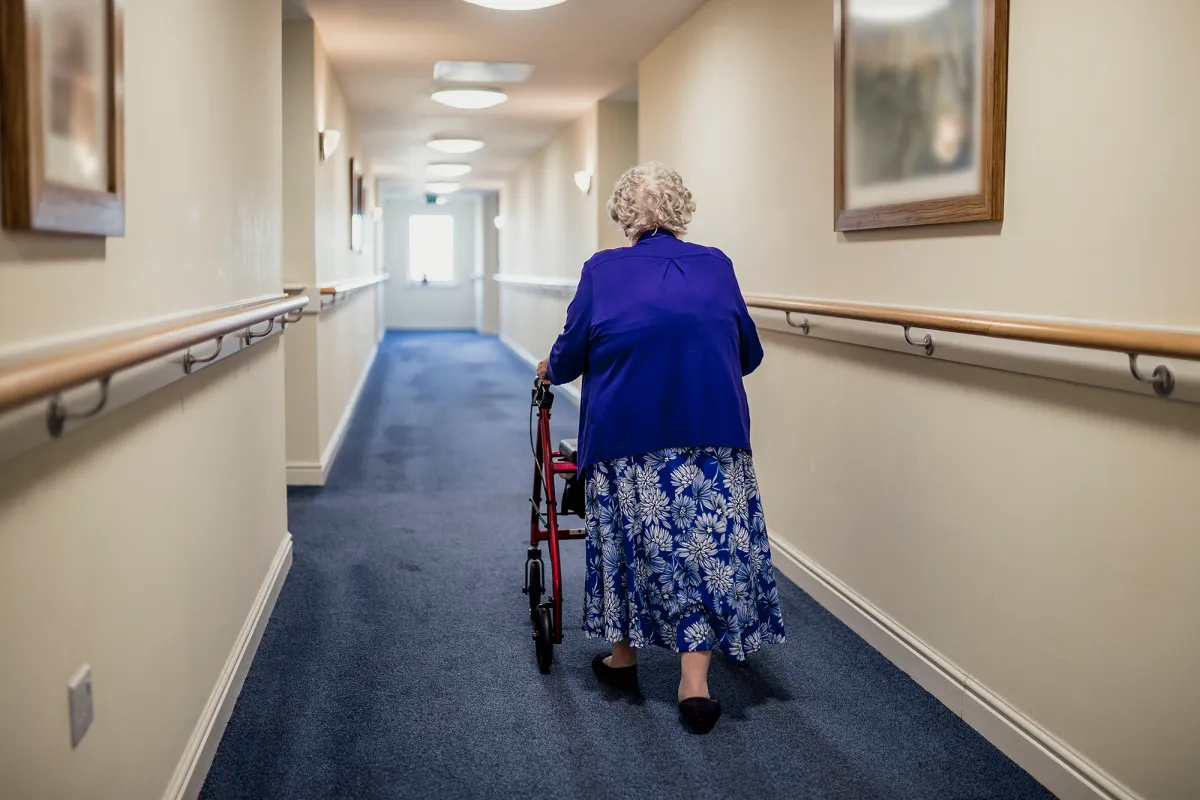
Nursing home residents in New Jersey are protected by strict laws designed to ensure their safety, dignity, and proper medical care. Unfortunately, abuse and neglect still occur, leaving families searching for answers and legal options.
Understanding New Jersey nursing home abuse laws can help you recognize violations, take action, and protect your loved one from further harm.
What Laws Protect Nursing Home Residents in New Jersey?
Several laws and regulations are in place to protect residents in long-term care facilities.
Federal Protections
Nursing homes must comply with federal standards that require:
- Proper medical care and supervision
- Protection from abuse and neglect
- Adequate staffing levels
- Safe and clean living conditions
New Jersey State Laws
New Jersey law requires nursing homes to:
- Provide necessary medical treatment
- Maintain sanitary and safe environments
- Prevent abuse, neglect, and exploitation
- Properly train staff
Facilities that fail to meet these obligations may be held legally responsible.
Residents’ Rights in New Jersey Nursing Homes
Residents have specific legal rights, including:
- The right to be treated with dignity and respect
- The right to be free from abuse and neglect
- The right to proper medical care
- The right to privacy
- The right to report complaints without retaliation
Violating these rights may lead to legal claims against the facility.
What Is Considered Nursing Home Abuse or Neglect?
Under New Jersey law, abuse and neglect may include:
Physical Abuse
Hitting, pushing, or improper restraint
Neglect
Failure to provide food, water, or medical care
Emotional Abuse
Verbal threats, intimidation, or isolation
Financial Exploitation
- Unauthorized use of a resident’s money or assets
How to Prove Nursing Home Negligence in NJ
To file a claim, you must typically show:
- The nursing home owed a duty of care
- The facility breached that duty
- The breach caused harm
- The victim suffered damages
Evidence may include medical records, photos, witness statements, and expert testimony.
Statute of Limitations in New Jersey
In most cases, you have 2 years from the date of injury to file a nursing home abuse claim in New Jersey.
However, exceptions may apply depending on the circumstances, so it’s important to act quickly.
What Compensation Can Be Recovered?
Victims of nursing home abuse may be entitled to compensation for:
- Medical expenses
- Pain and suffering
- Emotional distress
- Rehabilitation costs
- Wrongful death damages
How to Report Nursing Home Abuse in NJ
If you suspect abuse or neglect:
Step 1: Ensure Immediate Safety
Remove your loved one from danger if necessary
Step 2: Document Evidence
Take photos and keep records
Step 3: Report the Facility
Contact appropriate New Jersey authorities
Step 4: Seek Legal Help
An experienced nursing home abuse lawyer in New Jersey can help protect your rights and pursue a claim.
Why Legal Action Matters
Holding nursing homes accountable not only helps your loved one but also:
- Prevents future abuse
- Improves facility standards
- Protects other residents
If your loved one has been harmed due to nursing home abuse or neglect, you don’t have to face this alone. The legal team at Sarofiem & Antoun, LLC is experienced in handling nursing home abuse cases across New Jersey and is ready to help you understand your rights and take action.
Frequently Asked Questions
What laws protect nursing home residents in New Jersey?
Both federal and state laws require nursing homes to provide safe, adequate care and protect residents from abuse and neglect.
How do I file a nursing home abuse claim in NJ?
You can file a claim by working with an attorney who will investigate the case, gather evidence, and pursue compensation.
What is the statute of limitations for nursing home abuse in NJ?
Generally, you have 2 years to file a claim, but exceptions may apply.
Can a nursing home be sued for neglect?
Yes, if negligence leads to injury or harm, the facility can be held legally responsible.
What evidence is needed to prove abuse?
Medical records, photos, witness statements, and expert opinions are commonly used.